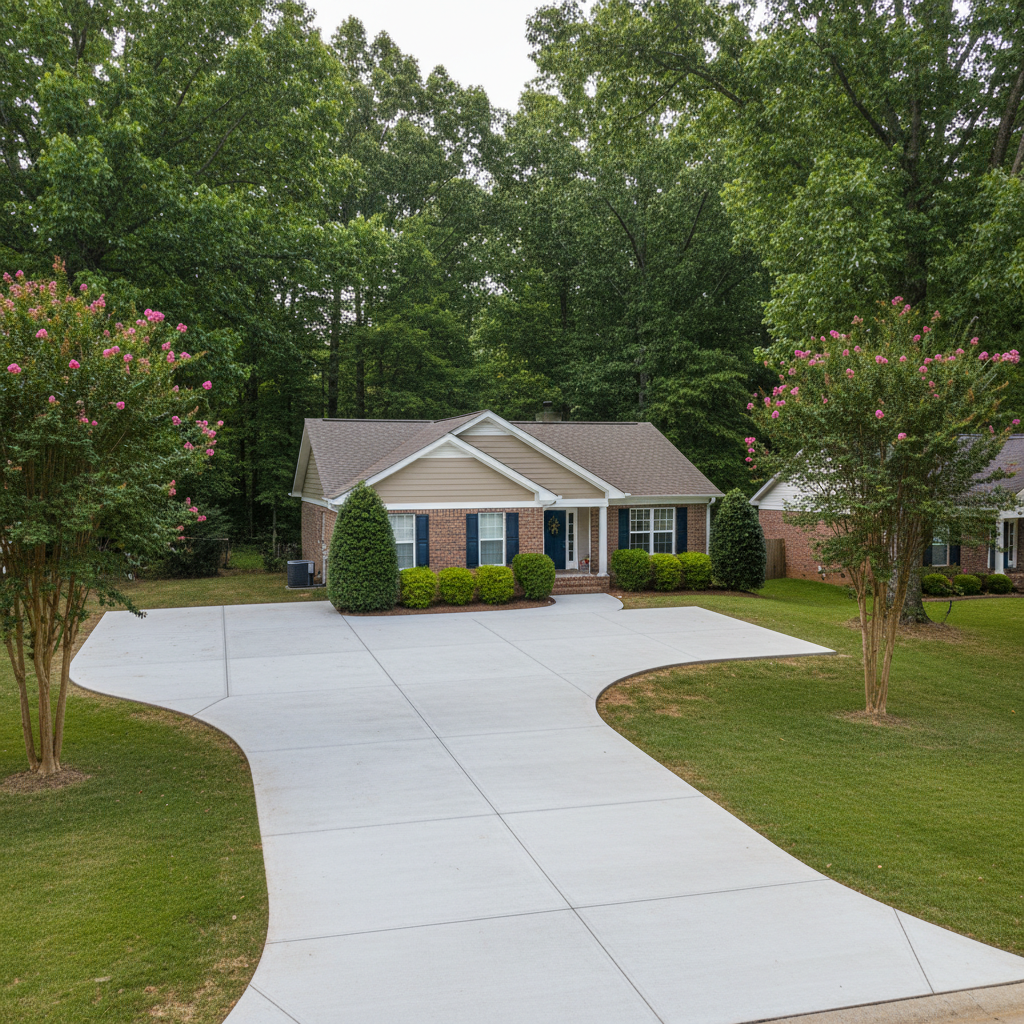
You're probably looking at your yard, maybe dreaming of a new patio for those summer cookouts, or finally getting around to fixing that cracked driveway. When it comes to concrete flatwork here in Albertville, there's more to it than just mixing cement and pouring it out. It's about really understanding our local conditions and doing the job right so it lasts – for years, not just months.
What Even Is 'Flatwork,' Anyway?
When I talk about concrete flatwork, I'm simply referring to any concrete that's poured horizontally. Think about it:
- Driveways: These are probably the most common. You need something tough enough for your truck, the kids' bikes, and that won't crack after just a couple of years, right?
- Patios: This is your outdoor living room, basically. It needs to be level, drain well, and, of course, look good.
- Sidewalks and Walkways: These keep you and your guests safe, connecting different parts of your property.
- Slabs for Sheds or Garages: A solid foundation, that's what these are, for whatever you're building.
- Pool Decks: They need to be slip-resistant and durable, especially with all that water splashing around.
These are all really critical parts of your home's functionality and curb appeal. They're not just decorative, you know; they're structural and they take a lot of wear and tear.
Why Albertville's Different
You can't just use a generic approach to concrete around here. We've got some pretty specific challenges and considerations in Albertville that demand a local touch:
- Our Soil: A lot of us are dealing with a mix of red clay and loamy soils. This stuff expands and contracts with moisture changes, which puts a ton of stress on concrete. If you don't prepare the sub-base properly, well, you're just asking for trouble down the line — cracking and uneven settling, for instance. I've seen plenty of driveways in older neighborhoods, like the ones off Highway 75, that have suffered because the ground wasn't prepped right.
- Weather Swings: We get these hot, humid summers, and then we can get some pretty cold snaps in winter. Those temperature fluctuations cause concrete to expand and contract. You absolutely need proper expansion joints to accommodate that movement, or you'll end up with uncontrolled cracks all over the place.
- Drainage is Key: With the amount of rain we get, especially during those afternoon summer thunderstorms, proper grading and drainage for any flatwork is non-negotiable. You don't want water pooling on your patio or running right back towards your foundation. It's not just about getting the water off the concrete itself; it's about getting it away from your house.
Common Mistakes I See (and How to Avoid 'Em)
I've been in this business long enough to see what works and, more importantly, what doesn't. Here are a few things that often go wrong when folks try to cut corners or hire someone who doesn't really know our area:
- Poor Sub-Base Prep: This is probably the biggest one, honestly. If the ground underneath isn't compacted correctly and graded for drainage, your concrete won't have a stable foundation. It'll settle unevenly, crack, and fail prematurely. We always spend the time to get this right, no shortcuts.
- Wrong Concrete Mix: Not all concrete is created equal, believe me. For outdoor flatwork, especially driveways, you need a higher strength mix (usually 4000 psi) with the right air entrainment to handle our freeze-thaw cycles. A cheaper, weaker mix just won't hold up, simple as that.
- Improper Curing: Concrete doesn't just dry; it cures. This is a chemical process that needs moisture and time. If it dries out too fast, it'll be weaker and more prone to cracking. We use curing compounds or keep it wet for days to make sure it reaches its full strength.
- No Expansion Joints: Like I said, concrete moves. Without proper joints, it'll crack wherever it wants to relieve stress. We plan these out strategically to control where those cracks happen, making them less noticeable and structurally sound.
Why Local Expertise Matters
This isn't just about pouring concrete; it's about building something that will stand the test of time in *our* specific environment. A contractor from out of state, or someone who just started up last week, might not understand the nuances of Albertville's soil, weather patterns, or even the local building codes. Progressive Concrete Solutions has been doing this here for a while. We know what works, what doesn't, and how to build flatwork that you won't have to worry about for years to come.
You're investing in your home, so make sure that investment is solid. Don't settle for less when it comes to something as fundamental as your concrete flatwork.