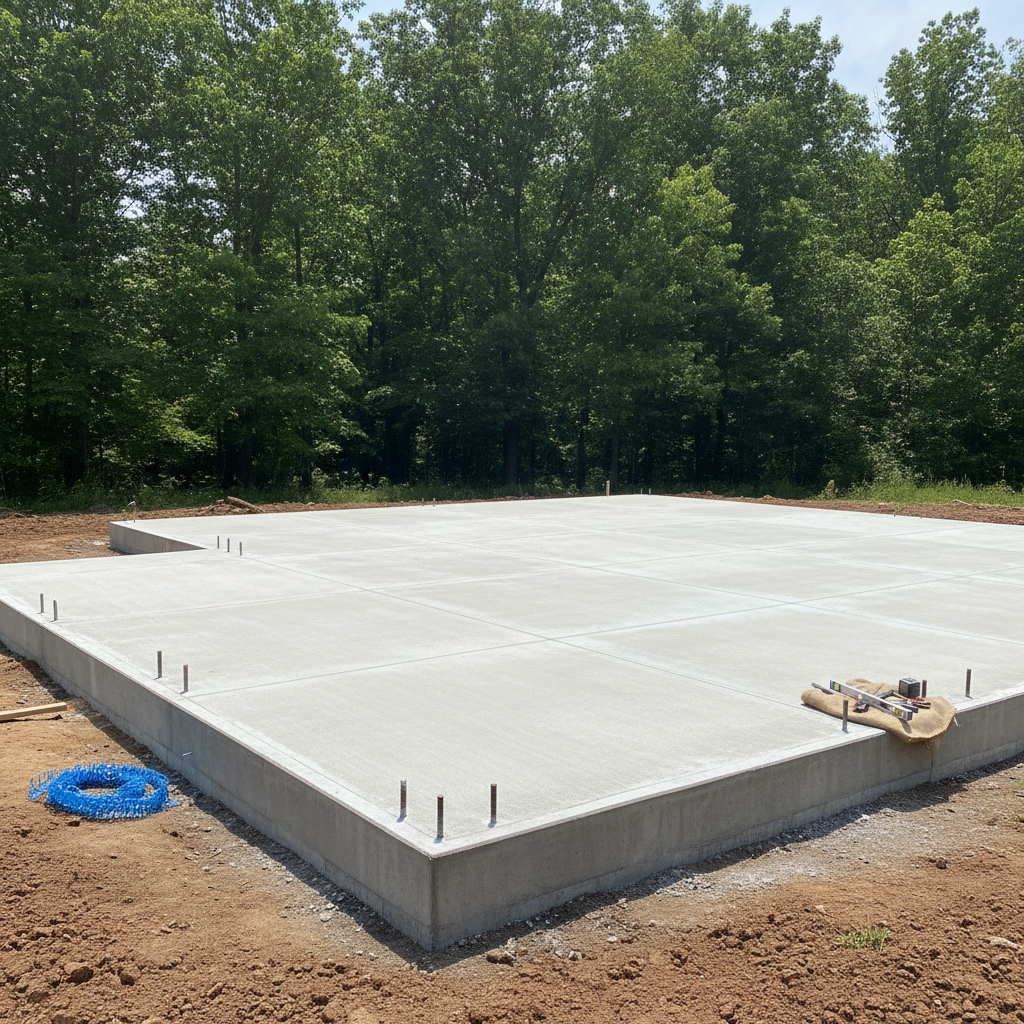
You're building a new home or adding on, and a solid foundation is step one. It's literally the groundwork for everything else. But I've seen folks in Albertville make some pretty big blunders when it comes to concrete foundations, and those mistakes can haunt you for years. Let's talk about how to avoid that headache.
Skimping on Site Prep
This is probably the biggest one, and it's where a lot of problems start. People think, "It's just dirt, right?" Wrong. Especially around here, with our clay soils that can expand and contract, proper site preparation isn't something you can skip. I've seen foundations poured on ground that wasn't properly compacted, or where organic material wasn't fully removed. What happens then? Settlement. Cracks. Uneven floors. You name it. A good contractor will spend time on grading, compacting, and making sure water drains away from the future foundation. If a bid looks significantly lower than others, often this is where they're cutting corners. Ask about their process for site preparation – don't just assume it's included and done right. It's worth asking, isn't it?
Ignoring Soil Reports
This goes hand-in-hand with site prep. You wouldn't build a house on quicksand, right? But without a soil report, you might as well be guessing what's under your slab. Especially in areas like the hills around Lake Guntersville, where you can hit rock or find varying soil types in a small area, a geotechnical report is crucial. It tells you what kind of soil you're dealing with, how much weight it can bear, and if there are any issues like high water tables or expansive clays. This information dictates the foundation design – whether you need thicker slabs, more rebar, or even piers. If your contractor isn't asking for or recommending a soil report for a new build, that's a red flag. It's an upfront cost, sure, but it's pennies compared to fixing a failing foundation later.
Not Getting Detailed Bids
You get three bids, pick the cheapest one, and hope for the best. Sound familiar? That's a recipe for disaster. A good bid isn't just a number; it's a detailed breakdown of what's included. What kind of concrete mix are they using? What's the PSI? How much rebar? What's the rebar spacing? Are they installing a vapor barrier? What about formwork and excavation? I've seen bids that are vague, and then suddenly you're getting change orders for things you thought were included. Progressive Concrete Solutions always provides a clear, itemized proposal so you know exactly what you're paying for. Don't be afraid to ask questions until you understand every line item.
Overlooking Drainage
Water is the enemy of any foundation. If water collects around your foundation, it can lead to hydrostatic pressure, which can crack walls, or it can saturate the soil, leading to settlement or heave. I've seen homes in the older parts of Albertville, especially those built on flatter lots, where poor grading or lack of proper gutters and downspouts has caused significant foundation issues over time. When you're planning, think about where the water will go. Does the ground slope away from the house? Are there plans for French drains or proper grading? This isn't just about the concrete pour; it's about the long-term health of your entire structure.
Hiring the Wrong Contractor
This might seem obvious, but it's worth repeating. Your foundation isn't a DIY project, and it's not a job for just any handyman. You need someone with experience specifically in concrete foundations. Check references. Look at their past work. Are they licensed and insured? Do they communicate well? A contractor who's hard to get a hold of before the job starts will be even harder to reach if there's a problem later. Trust your gut. If something feels off, it probably is. A solid foundation isn't just about the materials; it's about the expertise of the people putting it in.
Getting your foundation right the first time saves you a ton of money, stress, and heartache down the road. Don't cut corners where it matters most.