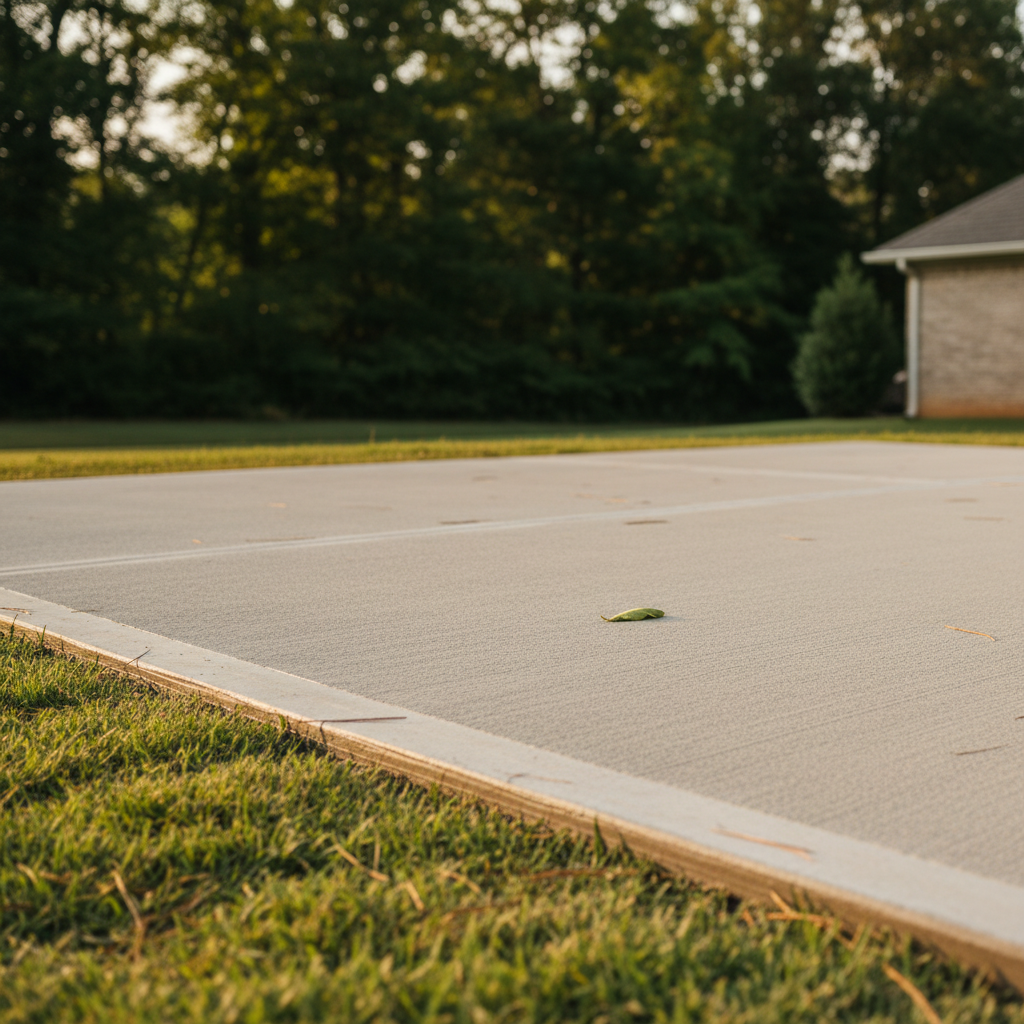
Alright, let's talk patios. I've poured a lot of concrete in Albertville, and I hear the same questions pop up again and again when folks are thinking about adding a new patio or replacing an old one. It's a big investment, and you want to get it right, don't you? So, I figured I'd just lay out the answers to some of those common questions right here. No fluff, just what you need to know.
What's the real difference between standard concrete and stamped concrete for a patio?
This is probably the most common question I get. Standard concrete is exactly what it sounds like: a plain, gray slab. It's durable, functional, and gets the job done. It's also the most budget-friendly option. Stamped concrete, on the other hand, is still concrete, but we add color and then press patterns into it before it fully cures. Think brick, stone, wood planks – you name it. It's all about aesthetics. You get the strength and longevity of concrete, but with a much more decorative look. It's a fantastic way to boost your home's curb appeal and create a really inviting outdoor space. The main trade-off is cost; stamped concrete will always be more expensive due to the extra materials, labor, and specialized techniques involved.
How long does a concrete patio last around here in Albertville?
A well-installed concrete patio, done right, should easily last 20-30 years, maybe even more. I've seen some older ones holding up fine, even with our crazy Alabama weather swings – those hot, humid summers and occasional freezes we get. The key is proper preparation of the sub-base, the right concrete mix, and good curing. If you skip those steps, you're asking for trouble down the line, no matter how good the concrete itself is. Regular cleaning and sealing every few years also goes a long way in extending its life and keeping it looking good.
Do I need a permit to build a concrete patio in Albertville?
Generally, for a simple ground-level concrete patio that's not attached to your house's foundation, you usually don't need a building permit in Albertville. However, if you're building a raised patio, enclosing it, adding a roof structure, or tying it into your home's existing foundation, then yes, you'll almost certainly need one. It's always best to check with the Albertville Planning and Building Department before starting any project. It's a quick call that can save you a lot of headaches later on. I always recommend my clients make that call just to be sure.
What about drainage? How do you make sure water doesn't pool on my patio?
Drainage is critical, and it's something we pay very close attention to. We always make sure the patio is poured with a slight slope, usually about 1/8 to 1/4 inch per foot, away from your house and towards a designated drainage area. This directs rainwater off the surface and prevents pooling. Sometimes, depending on the layout of your yard, we might need to incorporate a small drain or strategically grade the surrounding landscape to ensure proper runoff. You don't want water sitting on your patio, especially during our heavy summer thunderstorms, as it can lead to staining, moss growth, and in extreme cases, even undermine the slab over time.
Can I put a fire pit or outdoor kitchen on a concrete patio?
Absolutely, that's one of the best things about a concrete patio! They're incredibly versatile. You can definitely place a fire pit, an outdoor kitchen, or even a hot tub on a concrete patio. Just make sure the patio is designed and poured to handle the weight, especially for heavier items like a hot tub. For fire pits, I always recommend using a mat or a barrier underneath to protect the concrete from direct heat and embers, which can stain or damage the surface over time. If you're planning a full outdoor kitchen with built-in elements, we'd discuss that upfront to ensure the slab has the necessary thickness and reinforcement.
What kind of maintenance does a concrete patio require?
Concrete patios are pretty low-maintenance, which is a big plus for busy homeowners. The main things you'll need to do are:
- Clean it regularly: A simple broom or leaf blower for debris. For dirt and grime, a pressure washer with a wide tip works wonders. Just don't get too aggressive with the pressure, especially on stamped or colored concrete.
- Seal it: I recommend sealing your patio every 2-3 years. This protects it from stains, UV damage, and moisture penetration. It's a pretty straightforward DIY job, or you can have us do it when we're in the area.
- Address cracks promptly: While concrete is tough, small hairline cracks can sometimes appear. It's usually not a structural issue, but it's good to seal them to prevent water from getting in and freezing, which can make them worse.
That's about it. Compared to decking or pavers, it's a breeze to keep looking good.
How long does it take to install a concrete patio?
For a typical residential patio, say 200-400 square feet, the actual pouring and finishing usually takes one to two days. However, that doesn't include the prep work. Digging out, grading, compacting the base, building forms, and laying rebar or mesh can add another day or two, depending on the site conditions. Then, once the concrete is poured, it needs time to cure. You can usually walk on it within 24-48 hours, but it takes about 7 days to reach 70% of its strength and 28 days to fully cure. We'll always give you a clear timeline for your specific project. We're Progressive Concrete Solutions, and we pride ourselves on getting it done right and on schedule.