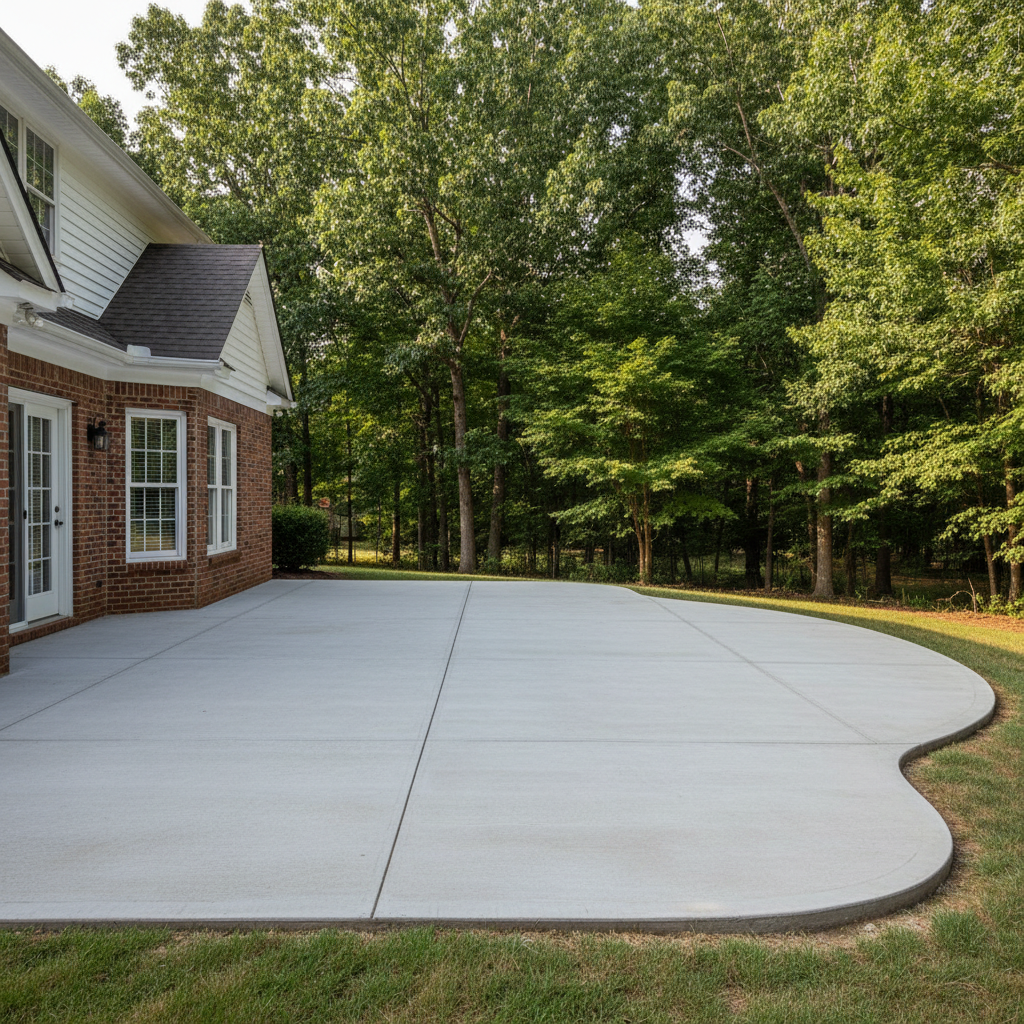
Thinking about a new concrete patio? That's a fantastic way to add some outdoor living space! But when's the best time to pour one here in Albertville? And what does our crazy North Alabama weather mean for how long it'll actually last? These are questions I get asked constantly, and they're super important because getting it wrong can lead to some major headaches later on.
Timing Your Patio Pour: It's All About the Temperature
Honestly, the sweet spot for pouring concrete around here is usually spring or fall. Why? Concrete just cures better when temperatures are moderate. We're talking consistently above 40 degrees Fahrenheit, and ideally, below 90 degrees. That perfect range lets the concrete hydrate properly, building strength without drying out too fast or freezing solid before it's even set.
Pouring in the dead of winter, when we get those hard freezes, is pretty risky. Water in the fresh concrete can freeze, expand, and actually damage its internal structure before it even has a chance to cure. You end up with weak, spalling concrete. And pouring in the peak of summer, say July or August, brings its own set of problems. The concrete can dry out way too quickly, which leads to shrinkage cracks and a weaker surface. We can definitely work around these extremes with special admixtures and careful curing techniques, but it's always just better to hit that ideal temperature window if you can swing it.
Weather Woes: Rain, Sun, and Humidity
Beyond just temperature, other weather conditions play a huge role. Rain, for example, is a big no-go during a pour. It can dilute the concrete mix, weaken it, and wash away the cement paste, leaving you with a sandy, weak surface. If there's rain in the forecast, we'll reschedule. It's simply not worth the risk.
Direct, intense sunlight combined with low humidity can also cause trouble, especially in summer. It pulls moisture out of the concrete too fast, leading to what we call plastic shrinkage cracking. That's why you'll often see us putting down curing compounds or even covering fresh concrete with wet burlap or plastic sheeting. It's all about keeping that moisture in so the concrete can cure slowly and strongly.
Wind is another sneaky one. A strong breeze can also speed up surface drying, much like intense sun. We're always watching the forecast for all these factors when we're planning a job. We've got to be flexible because Mother Nature doesn't always cooperate, especially around Lake Guntersville where the weather can change on a dime, right?
Curing Your Investment: The Unsung Hero
Once your patio is poured, the work isn't over. Curing is probably the most critical step for long-term durability, and homeowners often overlook it. Curing is the process where the concrete gains strength through hydration. It needs moisture and a consistent temperature for at least 7 days, but ideally 28 days, to reach its full strength.
We use different methods for this: spraying on a curing compound, covering it with plastic, or even regular misting with water. Don't walk on it too soon, and definitely don't put heavy furniture or vehicles on it for at least a week, preferably longer. Give it time to harden up properly.
Year-Round Protection for Your Albertville Patio
Okay, so you've got a beautiful, well-cured patio. Now, how do you keep it looking good and performing well for years to come? It's not rocket science, but it does take a little maintenance.
- Seal It Up: This is probably the most important thing you can do. I recommend sealing your concrete patio every 2-3 years, maybe even annually for high-traffic areas or if it's exposed to a lot of sun and rain. A good quality sealer protects against moisture penetration, stains, and freeze-thaw damage, which we definitely see here in Albertville during our winters. Think of it like sunscreen for your concrete.
- Clean Regularly: Sweep it off to remove dirt and debris. For tougher grime, a pressure washer on a low setting can work wonders, but be careful not to hold it too close or use too high a pressure, as you can damage the surface. For most stains, a mild detergent and a stiff brush usually do the trick.
- Watch for Cracks: Even with the best practices, concrete can crack. That's just the nature of the material. Small hairline cracks are usually nothing to worry about. But if you see larger, widening cracks, or if sections are shifting, it's time to give us a call. We can often repair these before they become bigger, more expensive problems.
- Avoid De-icers: This is a big one. Many de-icing salts, especially those containing ammonium nitrates or sulfates, can severely damage concrete. They cause spalling and deterioration. If you need to de-ice, use sand for traction or products specifically labeled as safe for concrete.
Taking care of your concrete patio isn't a huge chore, but those little steps make a big difference in its lifespan and appearance. At Progressive Concrete Solutions, we're all about building things right the first time, and that includes giving you the info you need to protect your investment. If you've got questions about your patio or are thinking about putting one in, give us a call. We're happy to talk through your options.