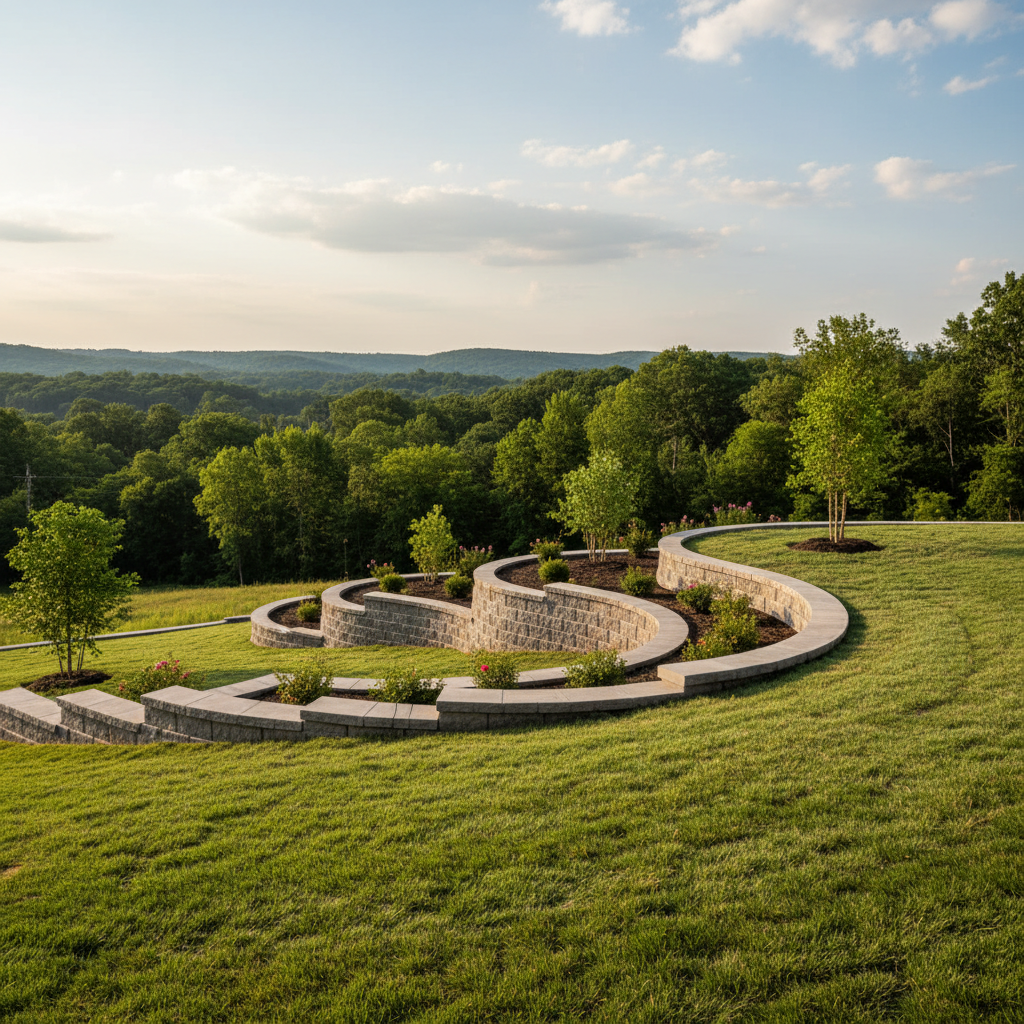
So, you're thinking about putting in a concrete retaining wall? Maybe your yard's got a bit of a slope, or you're just trying to carve out some usable outdoor space. Smart move. Retaining walls don't just hold back dirt; they can totally change your landscape, stop erosion dead in its tracks, and even bump up your property value. But hey, it's a big project, and you absolutely want it done right. Let's dig into what you need to know before you even think about breaking ground.
Understanding Your Project Timeline
A retaining wall isn't a weekend DIY job, especially a concrete one that's meant to last for ages. The timeline can swing wildly depending on how big it is, how complex, and even the weather we're having right here in Albertville. You'll want to think about a few key stages.
- Initial Chat & Design: This is where everything kicks off. We'll come over, check out your property, chat about what you're hoping to achieve, and figure out the best way forward. This part can take anywhere from a few days to a couple of weeks, especially if we're drawing up detailed plans or bringing in an engineer for those bigger, taller walls.
- Permits: Huge one, this. For most decent-sized retaining walls, you're going to need a permit from the city or county. It's not just some piece of paper; it makes sure your wall meets all the safety and structural rules. Getting a permit can take anywhere from a couple of weeks to over a month, sometimes even longer if there are weird zoning quirks or if your property is in a tricky spot, like near a water runoff area. Seriously, don't skip this step; it'll save you a world of hurt later.
- Getting Materials: Once the design gets the green light and permits are in hand, we order everything. Concrete, rebar, drainage rock – all this needs to be scheduled. Supply chains are pretty decent these days, but it's still smart to give it a week or two for everything to show up on site.
- Building It: This is the main event. For a typical residential retaining wall, say one that's 4-6 feet high and 50 feet long, the actual construction might take anywhere from one to three weeks. That includes digging, setting up forms, placing rebar, pouring the concrete, and letting it cure. Bigger or more complicated walls, or those with tough access, will naturally take more time.
- Curing & Finishing: Concrete needs time to cure properly so it can get to its full strength. While you might see us packing up after the pour, the wall isn't truly 'finished' until it's had a few weeks to cure. We'll also handle any backfilling, grading, and site cleanup during this phase.
So, from that first phone call to a wall that's totally functional, you're probably looking at a total project time of anywhere from 6 to 12 weeks, maybe more. Patience is a virtue here; rushing things just causes problems.
What to Expect During the Process
Once we get going, your yard's going to look a bit like a construction zone for a while. It's just how it is, but knowing what's coming can help you get ready.
- Noise and Dust: There will be excavators, concrete trucks, saws, and just general construction noise. Dust is also a given, especially when we're digging. We do our best to keep it down, but it's part of the deal.
- Equipment and Materials: Expect heavy machinery, piles of dirt, rebar, forms, and other stuff to be on your property. We'll need space to work and to store things, you know?
- Limited Access: Depending on where the wall is going, parts of your yard might be off-limits for a bit. If the wall is near your driveway, for instance, there might be times when you can't get your car in or out.
- Daily Progress: You'll see things changing every day. Digging, then forms going up, then rebar, then the big concrete pour. It's actually pretty cool to watch.
- Communication: A good contractor, like us at Progressive Concrete Solutions, will keep you in the loop. We'll tell you what's on the schedule for the day, if there are any delays, or if we have questions for you. And please, don't ever hesitate to ask us questions either.
How to Prepare Your Property
You can do a few things to make the whole process smoother for everyone involved.
- Clear the Area: Move any outdoor furniture, planters, grills, or anything else out of the immediate work zone. If you have delicate landscaping, maybe move it temporarily or protect it really well.
- Mark Utilities: We'll call 811 to get public utilities marked, but you're responsible for any private lines – think irrigation systems, invisible dog fences, or those private gas lines to a grill or outbuilding. Mark these clearly, or just tell us exactly where they are.
- Access: Make sure we have a clear path to the work area. If you have gates, leave them unlocked or give us a key.
- Pets and Kids: For their safety, keep pets and children away from the construction zone. It's an active work site with heavy equipment and potential hazards, after all.
- Talk to Neighbors: If the project might affect your neighbors – maybe because of noise, dust, or where our equipment needs to go – give them a heads-up. A little courtesy goes a long way.
Crucial Questions Before Signing a Contract
This is where you protect yourself and make sure you're getting a quality job. Don't be shy about asking tough questions.
- What's included in the price? Get a super detailed breakdown. Does it cover digging, drainage, backfill, permits, and cleaning up the site? What about any necessary engineering plans?
- What's *not* included? Just as important as what is included, right? Are there any potential hidden costs?
- What's your payment schedule? Usually, there's an upfront deposit, then payments as work progresses, and a final payment when it's all done. Make sure you're okay with it.
- Do you handle permits? A good contractor will typically take care of the permit application process for you, though they'll often pass the fees on to you.
- What kind of warranty do you offer on the work? A solid contractor stands behind their work. Ask about how long it lasts and what it covers.
- Can you give me references? Talk to past clients. Ask them about their experience with the contractor's communication, how timely they were, and the quality of their work.
- Are you licensed and insured? This isn't negotiable. Ask for proof of both. Liability insurance protects you if there's an accident on your property.
- How do you handle changes or unexpected issues? Sometimes things pop up during a project. You want to know how the contractor communicates these and how they'll impact the timeline and your budget.
- What's the plan for drainage behind the wall? This is absolutely critical for a retaining wall to last, especially with the heavy rains we get here in Albertville. A good drainage system stops hydrostatic pressure from building up and pushing the wall over.
- Who will be the main person I talk to for my project? You want to know who to call if you have questions or concerns.
Picking the right contractor is just as important as the wall itself, honestly. Take your time, ask these questions, and make sure you feel really good about who you're hiring. A well-built concrete retaining wall is an investment that'll serve you for decades, keeping your property stable and looking fantastic.