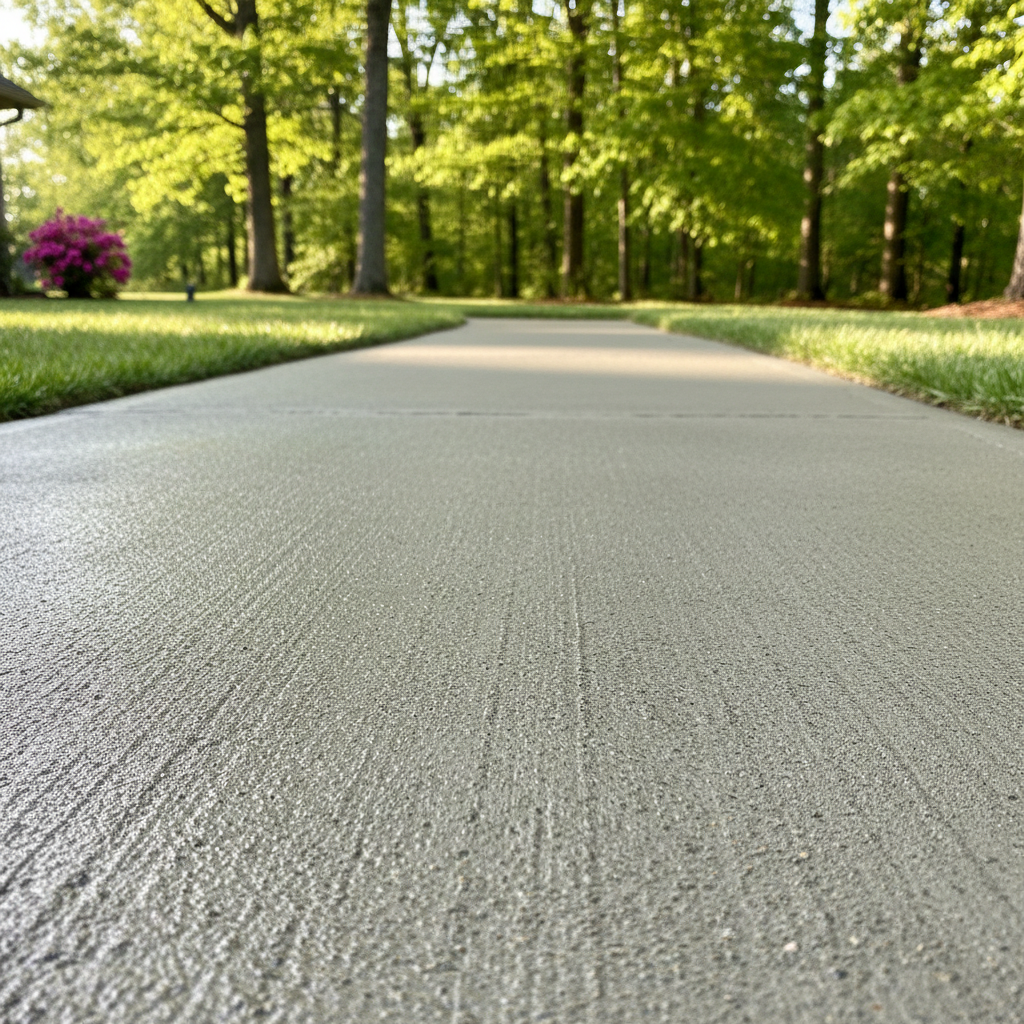
Alright, let's talk sidewalks. Folks here in Albertville often ask me a lot of questions about their concrete sidewalks, whether they're planning a new one or need to fix up an old one. It's more than just a strip of concrete; it’s the path to your home, and it really needs to be done right. So, I’ve pulled together some of the most common questions I hear. Let's dive in.
How long does a new concrete sidewalk really last?
You want a straight answer, right? A well-poured concrete sidewalk, put in by pros who actually know their stuff, should easily last you 20 to 30 years. Maybe even longer! I've definitely seen some older sidewalks around Albertville, especially in spots like the historic district, that are pushing 50 years. The real trick is proper preparation of the subgrade, using the right concrete mix, and making sure it cures well. If you cut corners on any of those, you're going to face problems much sooner. Think about the clay soil we have around here – if it isn't prepped correctly, that shifting ground will absolutely wreck your concrete over time.
What causes those hairline cracks, and are they a big deal?
Hairline cracks are super common, and honestly, you often can't avoid them. Concrete shrinks as it dries, and that shrinkage creates stress. If you don't have proper control joints cut into the concrete, or if they're too far apart, the concrete will just crack wherever it finds the path of least resistance. Most hairline cracks aren't structural problems; they're more about looks. But if they start getting wider, spalling (flaking off), or if one slab lifts noticeably higher than another, then yeah, that's a bigger issue. That could point to problems with the ground underneath, tree roots, or even bad installation. We always cut control joints at just the right spots to give the concrete a predictable place to crack.
Can I pour a new sidewalk over an old, damaged one?
Short answer: I wouldn't recommend it. Long answer: You *can*, but it's usually a pretty bad idea. If the old sidewalk is cracked, uneven, or has drainage problems, just pouring a new layer on top simply covers up the issue. It doesn't actually fix anything. The old problems will eventually show through your new concrete, and you'll end up right back where you started – only with twice the demolition work when you finally decide to do it right. Plus, you’re making the surface higher, which can create trip hazards or cause drainage issues against your house or landscaping. It's almost always better to remove the old concrete, properly get the base ready, and pour fresh. It costs more upfront, sure, but it saves you headaches and money down the road.
How important is drainage for my sidewalk?
Crucial. Absolutely crucial. If water just sits on or under your sidewalk, you're practically asking for trouble. Bad drainage leads to the subgrade eroding, which then causes settlement and cracking. In winter, if water freezes in cracks or under the slab, it expands and can lift or heave sections of your sidewalk, causing major damage. We always make sure there's a slight slope, usually about 1/8 to 1/4 inch per foot, to push water away from your home and off the concrete. Good drainage isn't just important; it's non-negotiable for a sidewalk that lasts.
What's the deal with rebar or wire mesh? Do I really need it?
Yes, you absolutely need it. Rebar (those steel reinforcing bars) or welded wire mesh doesn't stop concrete from cracking, but it does hold those cracks tightly together. We call this 'crack control.' If a crack forms, the rebar or mesh keeps the two sides from pulling apart or moving up and down, which keeps the slab structurally sound. Without it, even a small crack can quickly become a major trip hazard as different sections shift independently. For sidewalks, wire mesh is usually enough, but for areas with heavier traffic or if the ground underneath is a bit iffy, rebar might be a better call. We always make sure whatever reinforcement we use is properly supported and sitting in the middle of the slab, not just lying on the ground.
How soon can I walk on my new concrete sidewalk?
You're excited, I totally get it! Generally, you can walk on a new concrete sidewalk after about 24 hours. That's when it's gained enough initial strength to handle foot traffic without getting damaged. But here’s the thing: it’s not fully cured yet. Concrete keeps getting stronger for weeks, even months. So, while you can walk on it, keep heavy stuff, vehicles, or anything that could cause an impact off it for at least 7 days, and ideally 28 days for it to reach full strength. We'll always give you specific instructions for your particular project, but patience really is a virtue when you're dealing with concrete.
What kind of maintenance does a concrete sidewalk need?
Honestly, concrete sidewalks are pretty low maintenance, which is one of the big reasons people like them. The main things you need to do are:
- Keep it clean: Sweep off dirt, leaves, and debris regularly. This stops organic matter from breaking down and staining the surface.
- Watch for stains: If you spill something like oil or grease, clean it up fast. The longer it sits, the harder it is to remove.
- Address cracks early: If you see a crack starting to widen, or if a section begins to lift, get it checked out. Sometimes a simple repair can prevent a bigger, more expensive problem later on.
- Seal it: I recommend sealing your concrete every few years. A good quality penetrating sealer protects against moisture, stains, and helps it last longer, especially with our humid Albertville weather. Think of it like sunscreen for your concrete.
So, that's the rundown. If you've got more questions or you're ready to talk about a new sidewalk for your place, give us a shout at Progressive Concrete Solutions. We’re always happy to help you figure out the best path forward.