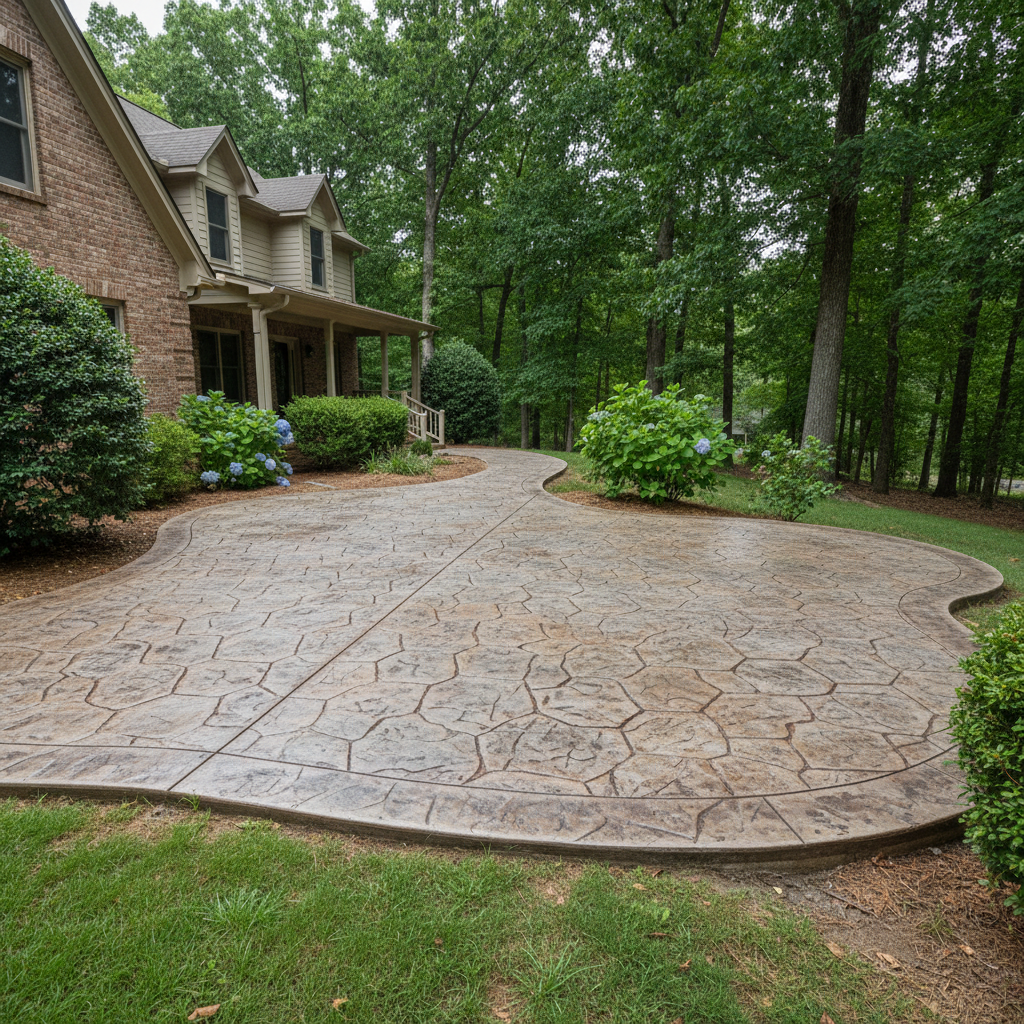
Thinking about stamped concrete, are we? Good choice. It really spruces up a patio, driveway, or even a simple walkway. But here in Albertville, our weather can be a bit tough on concrete work. You can't just pour it whenever and expect it to hold up. There's a real knack to doing it right, and a big part of that is understanding our local climate.
So, When's the Best Time to Schedule Stamped Concrete in Albertville?
This is probably the question I hear most often. And the answer isn't a simple 'spring' or 'fall.' It's a bit more complicated, especially with how our seasons can really swing. Generally, you'll want to steer clear of the extreme heat of summer and the freezing temperatures of winter for any new pours.
- Spring (Late March to Early June): This is often perfect. The ground's thawed out, and you're usually looking at daytime temperatures between 50-80°F. That's just right for concrete to cure properly. We get some rain, sure, but a good contractor knows how to work around that.
- Fall (Mid-September to Early November): Another excellent window. The intense summer heat has finally backed off, and the ground is still warm from the summer, which helps with curing. You'll often get those crisp, clear days that are absolutely ideal for this kind of work.
- Summer (Late June to Early September): We *can* do it, but it's definitely trickier. Those 90-degree days with high humidity? They make the concrete set too fast, which can lead to cracks or a finish that's not as strong. If we absolutely *have* to pour in summer, we'll take extra steps, like adding retarders to the mix or scheduling pours for early morning. It's just not my top pick, though.
- Winter (Late November to Early March): This is generally a no-go for new stamped concrete pours. Freezing temperatures are the absolute enemy of fresh concrete. Water inside the mix expands when it freezes, causing damage before the concrete even has a chance to get strong. Even if it feels like a mild winter day, those overnight lows can really sneak up on you.
The trick is consistent, moderate temperatures. You want the concrete to cure slowly and evenly. That's how you get strength and durability, plain and simple.
How Albertville's Weather Messes With Stamped Concrete Work
It's not just about the temperature when we're pouring. Our local conditions throw a few curveballs our way.
- Humidity: High humidity, which we see a lot of in the summer, can slow down the initial drying time. But it can also affect how the concrete hydrates. Low humidity, which pops up during dry spells, can make the surface dry too quickly, leading to shrinkage cracks. We're always keeping an eye on the dew point and relative humidity.
- Rain: A sudden downpour on fresh concrete can totally ruin the surface, washing away cement paste and exposing the aggregate. That's why we're always checking the forecast and have backup plans. Nobody wants a rained-out job, especially not me.
- Sun Exposure: Direct, intense sun can speed up drying, much like high temperatures. We might use temporary shading or misting to control the surface temperature and stop moisture from escaping too fast, especially on a big, open patio in a spot like the Carlisle neighborhood where there aren't many mature trees yet.
- Wind: A strong breeze can also dry out the surface too quickly, causing problems. It's another factor we have to think about when planning the pour and finishing touches.
It’s truly a balancing act. We're constantly adjusting our approach based on what the day brings. That's where experience, the kind we've got at Progressive Concrete Solutions, really pays off.
Keeping Your Stamped Concrete Looking Good All Year
Once your stamped concrete is in, you've got to take care of it. It's not a set-it-and-forget-it kind of deal, especially with our changing seasons.
- Sealing is Crucial: This is probably the most important thing you can do. A good quality sealer protects against moisture, UV rays, stains, and wear. I usually tell people to reseal every 2-3 years, sometimes more often for high-traffic areas or if it gets a lot of direct sun. The sealer wears down, and when it does, your concrete is vulnerable.
- Clean Regularly: Sweep off dirt, leaves, and other debris. For tougher spots, use a mild detergent and a soft brush. Avoid harsh chemicals or pressure washers on high settings, as they can damage the sealer or even the concrete surface itself.
- Watch for Freeze-Thaw Cycles: Our winters might not be brutal, but we definitely get those days where it freezes overnight and then thaws during the day. Water seeping into unsealed or damaged concrete, then freezing, can cause spalling (that's flaking) and cracking. That's another big reason why keeping your sealer in good shape is so important.
- Snow and Ice Removal: If you're clearing snow, please use a plastic shovel. Avoid metal shovels; they can scratch or chip the surface. And seriously, for the love of all that's holy, do NOT use rock salt or de-icers containing ammonium nitrates or sulfates. These chemicals are incredibly corrosive to concrete and will eat away at your beautiful stamped surface and its sealer. Sand is a much safer alternative for traction.
- Avoid Heavy Loads and Sharp Objects: Try not to drag heavy furniture or equipment across your stamped concrete. If you've got a heavy grill or planter, use furniture pads or place it on a mat to spread out the weight and prevent scratching.
Taking these steps will help your stamped concrete look fantastic and last for decades, no matter what Albertville's weather throws at it. It's an investment, and like any good investment, it needs a little care to truly shine.