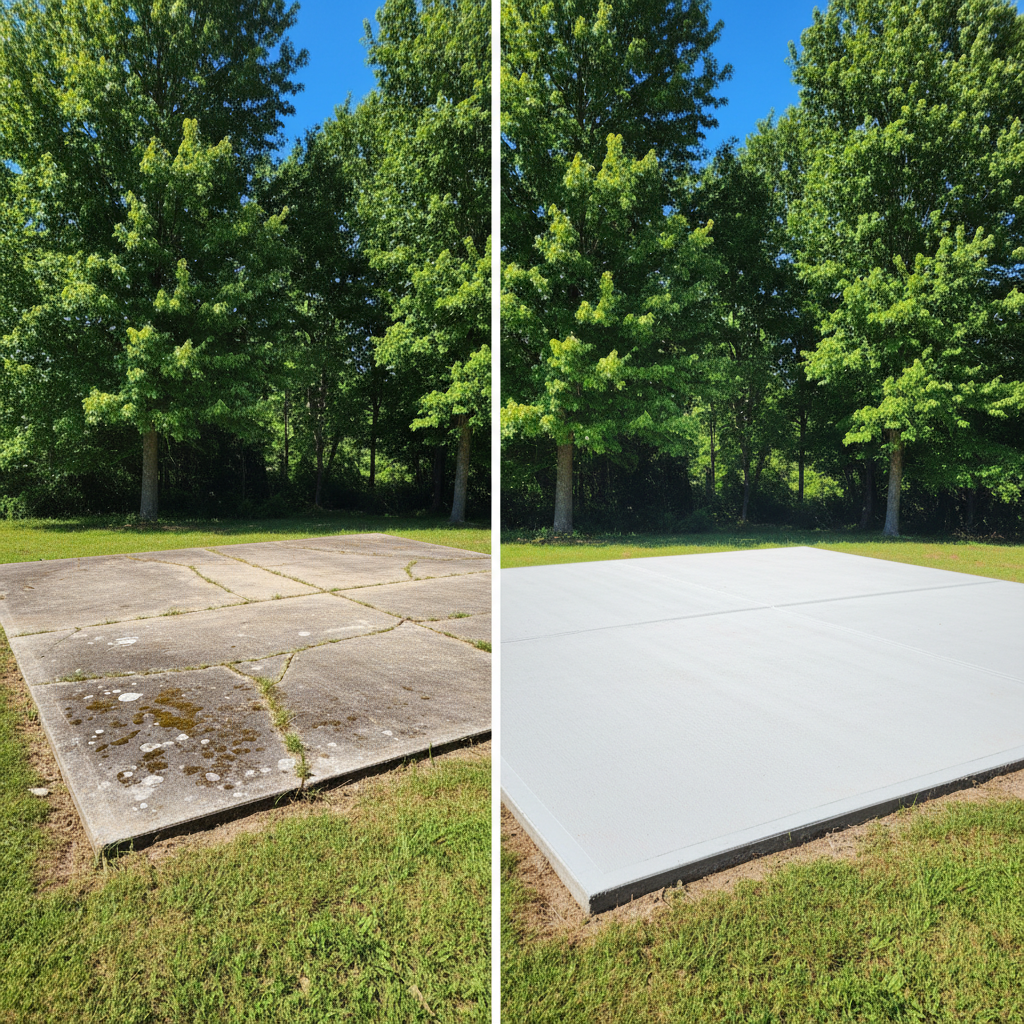
Alright, let's talk foundations. If you're building a new home or adding a big addition here in Albertville, one of the first major decisions you'll face is what kind of foundation to pour. You've generally got two main options: a slab-on-grade foundation or a crawl space. Both have their place, sure, but they're definitely not the same, especially when you consider our local conditions.
I've seen plenty of both around here, from the older homes downtown to the newer developments out towards Lake Guntersville. So, let's break down what you need to know about each one.
Slab-on-Grade Foundations: Simple & Strong
A slab-on-grade foundation is pretty much what it sounds like: a single, thick concrete slab poured right on the ground. The edges are usually thicker to form an integral footing, and we reinforce it with rebar or mesh. Before we pour, we'll prep the ground, often with a gravel base and a vapor barrier to keep moisture out.
Cost
Generally speaking, a slab-on-grade foundation is usually your most economical option upfront. There's less digging involved compared to a crawl space, fewer materials (no block walls or floor joists), and it's quicker to pour. Less labor, less material, less time usually means less money out of your pocket initially. That's a big draw for a lot of folks, you know?
Durability
When we do it right, a slab is incredibly durable. It's a solid, monolithic piece of concrete. It resists pests like termites better than wood-framed crawl spaces, and you don't have to worry about wood rot. The biggest durability concerns for slabs around here often come down to soil movement. Our clay soils can expand and contract with moisture changes, and if the ground isn't properly prepared and compacted, or if drainage isn't handled well, you can see cracking. But a well-engineered and properly poured slab, like what we do at Progressive Concrete Solutions, is built to handle it.
Maintenance
Maintenance for a slab is pretty minimal. You don't have a crawl space to inspect for critters, moisture, or deteriorating wood. Your main concern is managing drainage around the perimeter of your house to prevent water from undermining the slab or causing soil issues. If you get a crack, it's usually visible on the surface, making it easier to address.
Appearance
From an aesthetic standpoint, the foundation itself isn't really visible once the house is built, beyond the first course or two of siding. But inside, you're walking directly on the concrete, which is then covered by your flooring. Some people like the solid feel; others prefer the slight give of a wood floor over a crawl space.
Crawl Space Foundations: Access & Flexibility
A crawl space foundation involves digging down a bit, pouring concrete footings, and then building short block or concrete walls up to support the floor joists and the rest of the house. This creates a shallow, open space — the crawl space — between the ground and your home's first floor.
Cost
A crawl space foundation is almost always going to be more expensive than a slab. You've got more excavation, more concrete for footings, block or poured concrete walls, and then all the lumber for floor joists, subflooring, and insulation. There's more labor involved, and it takes longer to build. So, expect a higher upfront cost.
Durability
Crawl spaces are very durable, but their durability really depends on proper construction and ongoing maintenance. The concrete footings and block walls are solid. However, the wood components (joists, subfloor) are susceptible to moisture, pests, and rot if the crawl space isn't properly sealed and dehumidified. This is a big one for us in Albertville with our humid summers. A damp crawl space is just an invitation for trouble.
Maintenance
This is where crawl spaces demand more attention. You've got to periodically inspect that space for moisture, mold, pests, and any structural issues with the wood. Good ventilation, a vapor barrier on the ground, and sometimes even a dehumidifier are crucial for keeping a crawl space healthy, especially in our climate. On the flip side, having that crawl space means easy access for plumbing, electrical, and HVAC repairs or upgrades. That's a huge benefit when something goes wrong or you want to make changes, right?
Appearance
Like a slab, the foundation walls themselves aren't a major aesthetic feature. But inside, you get a traditional wood-framed floor, which some people prefer for its feel and the ability to run utilities under the floor without breaking up concrete.
My Recommendation for Albertville Homeowners
Look, both are good options, and the