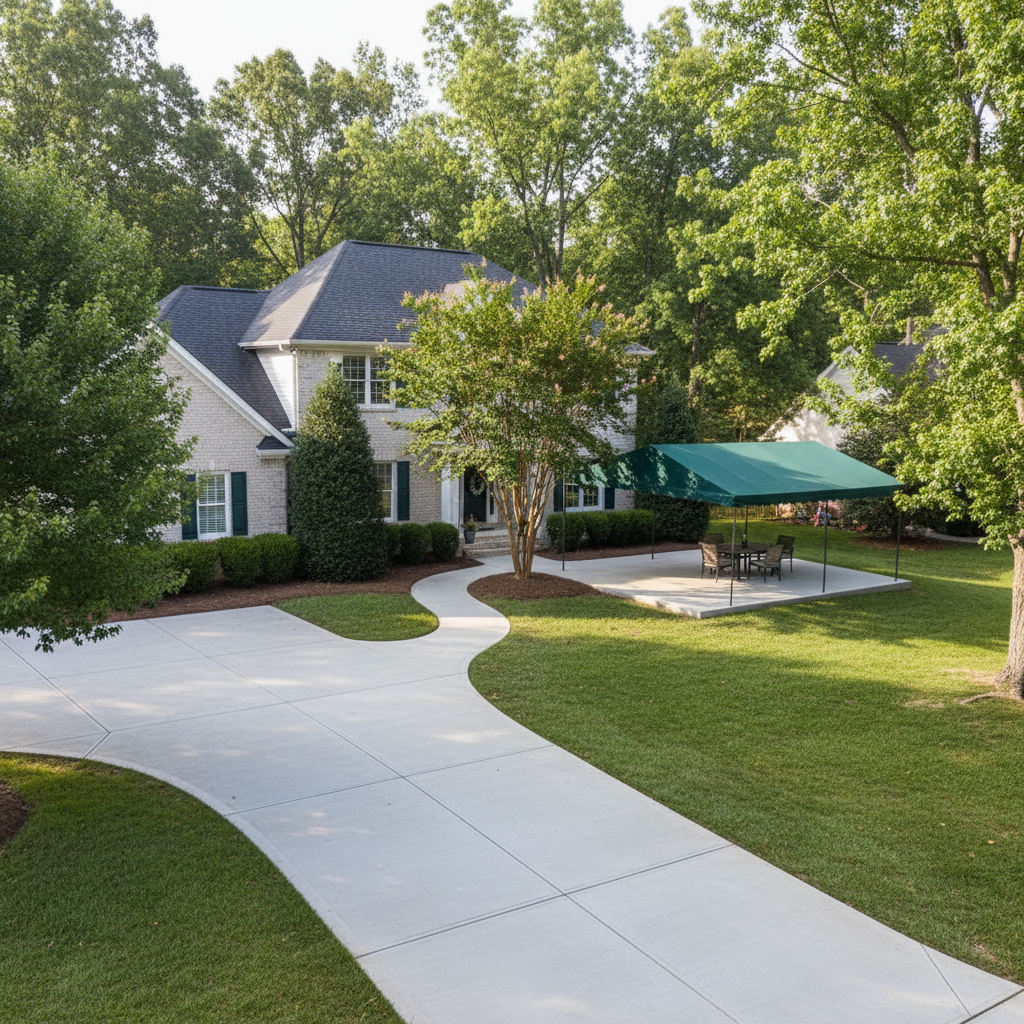
Alright, so you're thinking about a new concrete project for your home here in Albertville. Maybe it's a fresh driveway, a nice patio out back, or some new walkways. That's a smart move; good concrete adds value and makes life easier, doesn't it? But before we even talk about pouring, you've got some planning to do. And I'm not just talking about picking a color or pattern.
I've been in this business a long time. I've seen plenty of projects go right, and a few go sideways because folks didn't know what to expect. This isn't like buying a new appliance; it's a construction project, and there are steps involved. Knowing what's coming will save you headaches and help ensure you get exactly what you're paying for.
Understanding Your Project Timeline
People often ask, "How long will this take?" My honest answer is, "It depends." But I can give you a general idea. We're not just showing up and pouring concrete the next day. There's a process, and it takes time.
- Initial Contact & Consultation: This is where you call us. We'll come out, look at your property, talk about what you want, and give you an estimate. This usually happens within a few days to a week of your call, depending on how busy we are.
- Proposal & Contract: Once you've got the estimate, you'll review it. If it looks good, we'll draw up a contract. This back-and-forth can take a few days or a couple of weeks, depending on how quickly you make your decision and if there are any revisions.
- Scheduling: After the contract is signed, we get you on the schedule. This is where the biggest variable comes in. We're often booked out a few weeks, sometimes even a month or two, especially during peak seasons like spring and fall. Don't expect us to start tomorrow. Good contractors are busy for a reason, you know?
- Permits (If Needed): For some larger projects, especially if they involve significant site work or impact drainage, you might need a city permit. We can help you figure this out, but applying for and getting permits can add a week or two to the timeline.
- Construction Phase: This is the actual work. For a typical driveway or patio, it usually involves site prep (excavation, grading), forming, pouring, finishing, and then curing. This part usually takes anywhere from 2-5 days for most residential projects, depending on size and complexity.
- Curing Time: This is crucial and often overlooked. Concrete doesn't reach its full strength for about 28 days. While you can typically walk on it in 24-48 hours and drive on it in 7-10 days, you need to be gentle during that first month.
So, from your first call to full use, you're looking at anywhere from 4 weeks to 3 months, sometimes more, depending on the scope and our schedule. Plan ahead, especially if you have a specific event or deadline in mind.
What to Expect During the Process
Once we're on site, things are going to get a little messy before they get beautiful. That's just how construction works. Here's a rundown:
- Noise and Dust: We'll be using heavy equipment – excavators, concrete trucks, power tools. It's going to be loud. There will be dust, especially during excavation and when we're cutting forms or joints.
- Limited Access: If we're replacing a driveway, you won't be able to use it for a while. Make sure you've got alternative parking lined up. For patios, we might need clear access through your yard.
- Yard Impact: We do our best to protect your property, but there will be foot traffic, equipment moving around, and potentially some disturbed landscaping around the work area. We'll clean up, but expect some minor disruption.
- Communication: We'll keep you in the loop. If there are any unexpected issues, like hitting an unmarked utility line (it happens, even with careful planning!), we'll talk to you immediately. Don't be afraid to ask questions while we're working.
- Weather Delays: This is Albertville, right? We get our share of pop-up thunderstorms, especially in the summer. Rain can halt a pour. We'll reschedule as quickly as possible, but Mother Nature sometimes calls the shots.
How to Prepare Your Property
You can do a few things to make the process smoother for everyone:
- Clear the Area: Move anything that's in the way – outdoor furniture, planters, toys, vehicles. If we're working near a garden, consider temporarily relocating delicate plants.
- Mark Sprinklers/Utilities: If you have an irrigation system, invisible dog fence, or any other buried lines you know about, mark them clearly with flags. While we call 811 for utility locates, private lines are your responsibility.
- Trim Overhanging Branches: If there are low-hanging tree branches that might interfere with equipment or concrete trucks, trim them back.
- Secure Pets: Keep your pets indoors or in a secure, fenced area away from the construction zone. We don't want them getting hurt or wandering into wet concrete.
- Plan for Access: If we need access to a specific part of your yard, make sure gates are unlocked and paths are clear.
Questions to Ask Before Signing a Contract
This is where you protect yourself and ensure you're getting a quality job. Don't be shy. If a contractor gets annoyed by these questions, that's a red flag right there.
- "What's your full company name and license number?" Make sure they're legitimate. Progressive Concrete Solutions is fully licensed and insured, and we're happy to show you.
- "Are you insured? Can I see a copy of your liability and workers' comp insurance?" This is non-negotiable. If someone gets hurt on your property or damages something, you want their insurance to cover it, not your homeowner's policy.
- "What's included in the price?" Get a detailed breakdown. Does it include excavation, hauling away old concrete, materials, labor, and cleanup? Are there any potential hidden costs?
- "What kind of concrete mix will you use?" For most residential flatwork around here, we're looking for a 3500-4000 psi mix, often with fiber mesh for added strength. Make sure they're not skimping on quality.
- "How will you handle drainage?" This is huge, especially with our clay soil in Albertville. You don't want water pooling on your new patio or running towards your foundation. A good contractor will have a plan for proper grading.
- "What's your warranty?" A reputable company will stand behind their work. Ask about their guarantee against defects.
- "Can you provide references or show me examples of similar work?" Photos are good, but talking to past clients is even better.
- "What's the payment schedule?" Typically, there's an initial deposit, progress payments, and a final payment upon completion. Be wary of contractors who demand a huge upfront payment.
Asking these questions isn't being difficult; it's being smart. You're making a significant investment in your home, and you deserve to feel confident in the company you choose. We're here to help you get a concrete project that lasts and looks great for years to come.